
How to Clean Stainless Steel Appliances Naturally
Fri Dec 05 2025
- Appliances
Stainless steel appliances are a sleek, modern staple in many kitchens, but keeping them spotless without harsh chemicals can be a challenge. If you’re looking to clean naturally, reduce streaks, and preserve the finish, there are several eco-friendly approaches that work beautifully.
In this guide, we’ll walk you through step-by-step cleaning methods, explain why they’re effective, and share expert tips on maintaining your appliances without damaging them.
Why Natural Cleaning Works, and Matters
Natural cleaning methods are effective because they use gentle, non-abrasive ingredients that safely remove grease, fingerprints, and grime without damaging the stainless steel surface. Ingredients like mild dish soap, white vinegar, and baking soda work by breaking down oils and residue while preserving the protective finish of your appliances. Unlike harsh chemical cleaners, natural solutions reduce the risk of scratches, discoloration, or corrosion that can occur over time.
Using natural cleaners also benefits your health and the environment. Harsh chemical cleaners can leave behind toxic residues or strong fumes, which may affect indoor air quality and irritate skin or respiratory systems. By contrast, natural ingredients are safe to use around food, children, and pets.
Another key factor in effective stainless steel care is technique. Wiping with the grain rather than against it prevents micro-scratches and maintains the sleek appearance of your appliances. Incorporating these natural cleaning methods regularly ensures your appliances stay spotless, extend their lifespan, and maintain their modern aesthetic, all without the environmental impact of chemical-heavy products.
Step-by-Step: Natural Cleaning Methods
1. Routine Cleaning with Dish Soap
-
Make a solution using warm water and a few drops of mild dish soap.
-
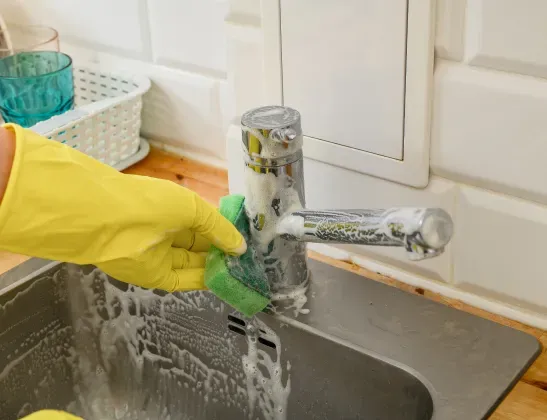
Dip a microfiber cloth into the soapy water, wring it out, and then wipe your stainless steel surface following the direction of the grain.
-
Rinse the cloth, wipe away any soap, and dry immediately with a clean microfiber towel to prevent water spots.
2. Deep Cleaning with Vinegar & Olive Oil
-
Mix undiluted distilled white vinegar in a spray bottle and lightly mist your stainless steel surface.
-
Wipe with a microfiber cloth, again with the grain, to lift grease and residue.
-
Once dry, apply a small amount of olive oil to a second microfiber cloth. Buff the surface along the grain to add a protective, streak‑resistant shine.
3. Removing Tough Stains: Baking Soda Paste
-
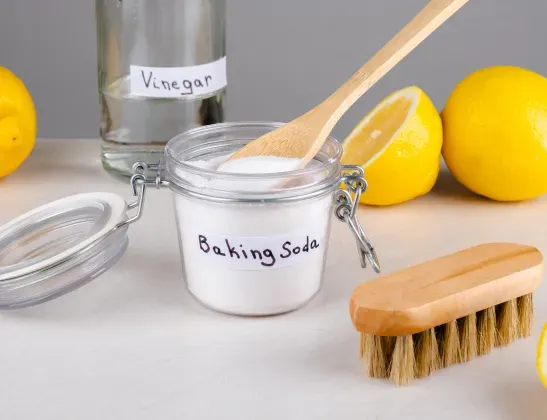
Create a paste by mixing baking soda and water.
-
Apply gently to the stained area using a soft cloth or sponge, working with the grain.
-
Let it sit for 10-15 minutes, then wipe away with a damp cloth. Rinse thoroughly.
-
Finish by drying with a microfiber towel so no moisture remains.
4. Extra Shine with Rubbing Alcohol or Club Soda
-
For persistent smudges or marks, lightly dab a microfiber cloth with rubbing alcohol (70%) and wipe along the grain. This evaporates quickly and leaves minimal residue.
-
Alternatively, you can use club soda: spray directly onto the stainless surface, wipe with a soft cloth, then follow up with a dry towel for a polished finish.
Stainless Steel Appliance Maintenance & Best Practices
-
Always wipe with the grain: This helps avoid micro-scratches and preserves the finish.
-
Use soft cleaning tools only: Avoid steel wool, abrasive pads, or scouring powders, they can damage the stainless surface.
-
Spot-test homemade solutions first: Apply any DIY cleaner on a small, inconspicuous area before using it everywhere.
-
Dry thoroughly: Use a clean microfiber cloth to dry after cleaning to prevent mineral deposits, especially if your tap water is hard.
-
Polish occasionally: A light coat of olive oil (or mineral oil) can protect your appliances and reduce fingerprint‑marks.
-
Be careful with vinegar: While effective, undiluted vinegar could degrade certain finishes over time, always rinse well and buff any residue.
Shop Stainless Steel Appliances and More at Silica
Keep your stainless steel appliances looking their best with proper natural cleaning techniques. Silica offers a full selection of premium kitchen appliances designed for style, durability, and easy maintenance, including refrigerators, ranges, wall ovens, cooktops, dishwashers, and more. Explore our catalog today and elevate the look and performance of your kitchen.
At Silica, we offer a wide selection of top brands, expert advice, and professional installation services to help you find the best appliances that fit your home style.
We also offer financing options to help you access the right products that fit your needs and budget. Visit one of our stores today in Fond du Lac, Beaver Dam, and Watertown, WI to shop stainless steel appliances and more.
Related readings from our blog:
FAQs: How to Clean Stainless Steel Appliances Naturally
Can I use lemon or citrus cleaners on stainless steel?
Not recommended, the acidity in lemon juice can damage the protective layer on stainless steel.
How often should I clean my stainless appliances?
Light cleaning weekly with soapy water works well, with deeper cleanings (vinegar or baking soda) once a month or as needed.
Is olive oil safe for polishing?
Yes, just use a small amount on a soft cloth and buff along the grain to avoid a sticky residue.
Can I use stainless steel cleaning powders naturally?
Some stainless steel cleaning powders work for tougher stains, but they can be slightly abrasive, use gently, rinse well, and always wipe with the grain.
Related Articles