
Best Mattresses for Side Sleepers, Back Sleepers, and Couples
Fri May 15 2026
- Mattresses
Choosing the right mattress isn’t just about comfort, it’s about how well your bed supports your body night after night. Different sleep positions create different pressure points and alignment needs, which means the “best” mattress varies from person to person.
Whether you’re a side sleeper dealing with pressure on your shoulders, a back sleeper focused on spinal alignment, or part of a couple with different sleep preferences, understanding what to look for can help you make a more informed decision.
If you’re exploring options, browsing a wide selection of Silica mattresses is a great place to compare styles, materials, and features tailored to your needs.
Key Takeaways: Choosing the Right Mattress for Your Sleep Style
-
The best mattress depends on your sleep position, body type, and comfort preferences
-
Side sleepers need pressure relief, while back sleepers need balanced support
-
Couples benefit from motion isolation, edge support, and temperature regulation
-
Materials like memory foam and hybrid mattresses offer different advantages
-
Testing comfort, firmness, and features helps ensure long-term sleep quality
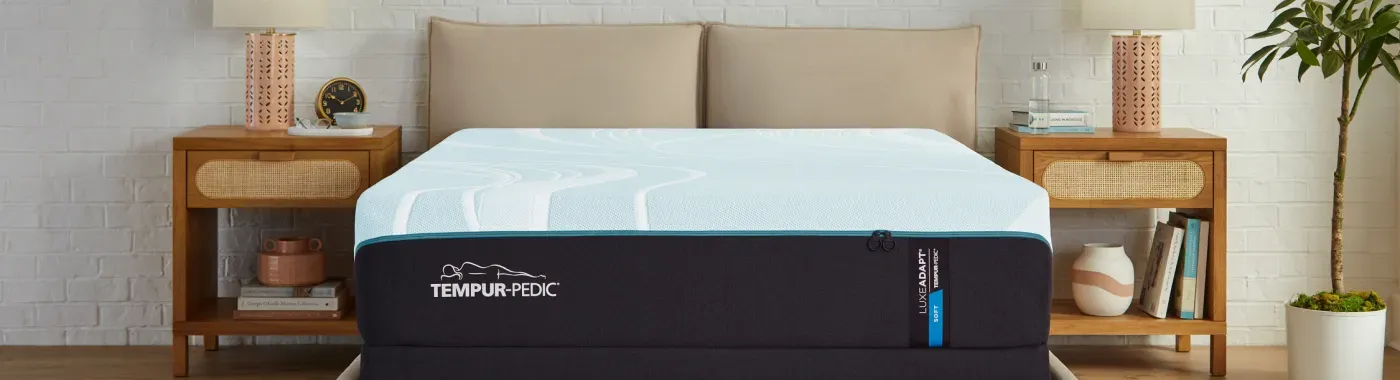
Why Sleep Position Matters When Choosing a Mattress
Your sleep position directly impacts how pressure is distributed across your body. Over time, the wrong mattress can lead to discomfort, poor sleep quality, and even long-term strain on your back and joints.
Here’s how sleep position affects your needs:
-
Side sleepers concentrate weight on shoulders and hips, requiring cushioning
-
Back sleepers need even support to maintain a neutral spine
-
Combination sleepers need a balance of responsiveness and comfort
-
Couples must account for multiple sleep styles and movement patterns
Beyond comfort, proper support helps:
-
Reduce pressure points
-
Improve circulation
-
Promote deeper, more restorative sleep
This is why choosing the right mattress isn’t just a preference, it’s an investment in long-term sleep health.
Best Mattresses for Side Sleepers: Pressure Relief is Key
Side sleeping is one of the most common sleep positions, but it also places the most pressure on specific areas of the body, especially the shoulders and hips.
Why Side Sleepers Need Specialized Support
When you sleep on your side, your shoulders and hips press into the mattress more than any other part of your body. Without proper cushioning, this can lead to discomfort, numbness, or frequent repositioning during the night.
A mattress that’s too firm can create pressure points, while one that’s too soft may cause your spine to fall out of alignment. The goal is a balance of contouring and support.
What to Look For
-
Soft to medium firmness
-
Contouring materials that adapt to body shape
-
Pressure relief for joints
-
Supportive base layers for alignment
Recommended Mattress Types for Side Sleepers
Memory Foam Mattresses: Memory foam is a popular choice for side sleepers because it conforms closely to the body. It helps reduce pressure points and provides a “hugging” feel that supports proper alignment.
Hybrid Mattresses: Hybrid mattresses combine foam layers with coil systems, offering both contouring and support. This makes them ideal for side sleepers who want pressure relief without feeling too “sunk in.”
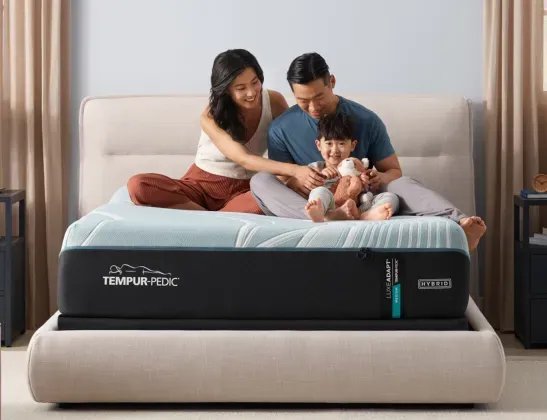
Best Mattresses for Back Sleepers: Support and Alignment Matter Most
Back sleepers need a balance of support and comfort to maintain proper spinal alignment. Too soft, and the hips sink; too firm, and the lower back may not be supported properly.
Why Support Is Critical for Back Sleepers
When lying on your back, your weight is more evenly distributed. However, if your mattress is too soft, your hips can sink too deeply, pulling your spine out of alignment. On the other hand, a mattress that’s too firm may not support the natural curve of your lower back.
What to Look For
-
Medium to firm feel
-
Strong support core
-
Lumbar support features
-
Even weight distribution
Recommended Mattress Types for Back Sleepers
Innerspring or Hybrid Mattresses: These provide strong support and help keep the body properly aligned. Hybrid options add a layer of comfort while maintaining structure.
Firm Memory Foam Options: Some memory foam mattresses designed with firmer support layers can also work well for back sleepers, offering both comfort and alignment.
Best Mattresses for Couples
Shopping for a mattress as a couple introduces additional considerations beyond individual comfort. You’re not just choosing a mattress, you’re choosing a shared sleep experience.
Common Challenges for Couples
-
One partner moves frequently
-
Different firmness preferences
-
Temperature differences
-
Uneven weight distribution
Sleep Factors Couples Should Prioritize
-
Motion Isolation: A mattress that absorbs movement prevents one partner from disturbing the other during the night.
-
Edge Support: Strong edges allow both partners to use the full surface of the mattress comfortably.
-
Temperature Regulation: Cooling materials help maintain a comfortable sleep environment, especially for couples who tend to sleep warm.
-
Durability: A mattress for two people experiences more wear, so long-lasting materials are essential.
Recommended Mattress Types
Hybrid Mattresses: Hybrids are often the best choice for couples because they combine support, comfort, and responsiveness. They also tend to offer better edge support than all-foam models.
Memory Foam Mattresses: Memory foam excels at motion isolation, making it ideal if one partner moves frequently during the night.
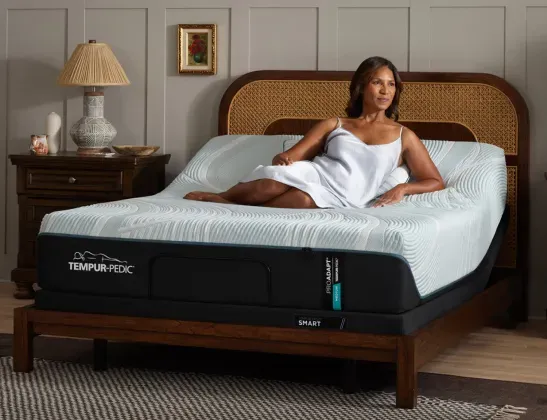
Adjustable Bases: A Flexible Solution for Multiple Sleep Styles
For couples with different sleep preferences, or anyone looking for more flexibility, adjustable bases can be a game-changer.
These bases allow you to elevate your head or legs, which can:
-
Improve circulation
-
Reduce pressure on joints
-
Help with snoring or acid reflux
-
Enhance comfort for reading or watching TV
These systems are especially useful for households where one mattress needs to meet multiple needs.
How to Choose the Right Mattress for Your Home
Beyond sleep position, choosing the right mattress comes down to how it fits into your daily life, your space, and your long-term comfort expectations. A mattress isn’t just something you sleep on, it’s something you use every single day, so small details can make a big difference over time.
Consider Your Daily Routine
Think about how you actually use your bed beyond sleeping. Do you read, watch TV, or work from your laptop in bed? If so, you may benefit from a mattress that offers a bit more responsiveness and support rather than one that you sink deeply into.
Think About Room Environment
Your bedroom environment plays a bigger role than many people realize. If your room tends to run warm or doesn’t have great airflow, look for mattresses with cooling features like breathable covers, gel-infused foam, or coil systems that promote airflow.
Evaluate Long-Term Comfort, Not Just First Impressions
A mattress that feels great in the first five minutes might not feel the same after a full night’s sleep. Pay attention to how well it supports your body over time, especially in your primary sleep position.
Consider factors like pressure relief, spinal alignment, and how often you shift positions during the night. Long-term comfort is what ultimately determines sleep quality.
Factor in Body Type and Weight Distribution
Your body type can influence how a mattress feels and performs. Heavier individuals may need a firmer mattress with stronger support layers to prevent excessive sinking, while lighter sleepers may prefer softer surfaces that allow for better contouring.
Don’t Overlook Size and Space Planning
Mattress size isn’t just about fitting your room, it’s about how you live in that space. Couples may benefit from upgrading to a queen or king size for added comfort, especially if one partner moves frequently.
Think About Future Needs
It’s also worth thinking ahead. Will your needs change in the next few years? For example, if you’re planning a move, redesigning your bedroom, or anticipating lifestyle changes, choosing a versatile mattress now can help you avoid replacing it sooner than expected.
Common Mistakes to Avoid When Buying a Mattress
Even with good research, it’s easy to make mistakes that impact your sleep quality.
Focusing Only on Price Instead of Value
It’s natural to have a budget, but focusing only on the lowest price can lead to poor long-term results. A mattress is a long-term investment in your health and sleep quality, so it’s important to consider durability, materials, and performance, not just cost.
Ignoring Sleep Position and Personal Needs
One of the most common mistakes is choosing a mattress based on general recommendations rather than personal sleep habits. A mattress that works well for one person may not work for another. Always consider your primary sleep position, comfort preferences, and any specific needs like back support or pressure relief.
Assuming All Materials Perform the Same
Not all memory foam, coils, or hybrid systems are created equal. Differences in density, construction, and quality can dramatically impact comfort and durability. Taking time to understand these differences can help you choose a mattress that performs well over the long term.
Skipping the Research Phase
Many shoppers rush into a decision without fully comparing options. Reading reviews, understanding features, and testing different mattress types can help you feel more confident in your purchase. The more informed you are, the more likely you are to choose a mattress that meets your expectations.
Forgetting About Trial Periods and Return Policies
A mattress may feel different after a few nights or weeks of use. That’s why trial periods are so important. Skipping over these policies can leave you stuck with a mattress that doesn’t fully meet your needs. Always check return options and warranties before making a final decision.
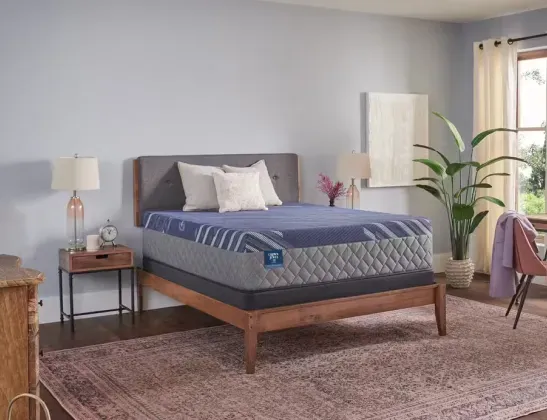
Discover Mattresses for Different Sleep Styles at Silica
Finding the right mattress can make a significant difference in your sleep quality, comfort, and overall well-being. Whether you’re a side sleeper looking for pressure relief, a back sleeper needing proper support, or a couple balancing different preferences, the right mattress is out there.
Explore a wide selection of mattresses at Silica to compare materials, features, and comfort levels. With expert guidance and a variety of options, you can find the perfect mattress tailored to your sleep style. Visit our mattress store today in Fond du Lac, WI, to shop for personalized mattress and bedding solutions with peace of mind.
Related readings from our blog:
-
How to Choose the Right Mattress, Base, or Box Spring for Your Wisconsin Home
-
How Adjustable Bases Can Relieve Back & Hip Pain for Better Sleep
FAQs: Best Mattresses for Side Sleepers, Back Sleepers, and Couples
What type of mattress is best for side sleepers?
Side sleepers typically benefit from mattresses that offer pressure relief and contouring support. Memory foam and hybrid mattresses are popular choices because they cushion the shoulders and hips. A softer to medium firmness level helps maintain proper spinal alignment. The goal is to reduce pressure points while still providing enough support.
Is a firm mattress better for back sleepers?
Back sleepers generally need a medium to firm mattress to keep their spine properly aligned. A mattress that is too soft can cause the hips to sink, leading to discomfort. At the same time, it should still provide some cushioning for comfort. The right balance helps support the natural curve of the spine.
What should couples look for in a mattress?
Couples should prioritize motion isolation, edge support, and temperature regulation when choosing a mattress. These features help ensure both partners can sleep comfortably without disturbances. Hybrid and memory foam mattresses are often strong options. Choosing the right mattress depends on both partners’ preferences and sleep habits.
Are hybrid mattresses better than memory foam?
Hybrid and memory foam mattresses each offer unique benefits depending on your needs. Hybrids provide a balance of support and responsiveness, while memory foam excels in pressure relief and motion isolation. The better option depends on your sleep style and comfort preferences. Many shoppers find hybrids offer the most versatility.
How long should a mattress last?
Most mattresses last between 7 and 10 years, depending on materials and usage. Higher-quality models may last longer with proper care and maintenance. Signs it’s time to replace your mattress include sagging, discomfort, and poor sleep quality. Investing in a durable mattress can improve both longevity and comfort.
Related Articles