
Do Range Hoods Have to Be Vented Outside?
Fri Jul 17 2026
- Appliances
If you're shopping for a new cooktop ventilation hood, stove hood vent, or kitchen vent, you've probably asked one of the most common questions homeowners have:
Do range hoods have to be vented outside? The short answer is no. While venting a range hood outside provides the best performance by removing smoke, grease, heat, and cooking odors from your home, it is not required in every kitchen.
Ductless range hoods can be an effective solution when exterior venting isn't possible, although they clean and recirculate the air rather than exhausting it outdoors. The best option depends on your kitchen layout, your cooking habits, and whether you're installing a hood over a gas range, electric range, or cooktop.
In this guide, we'll explain the different types of stove vent systems, compare ducted and ductless models, and help you choose the right stove top and range hood for your home.
Key Takeaways: Do Range Hoods Have to Be Vented Outside?
-
Range hoods do not always have to be vented outside. Ducted range hoods provide the best smoke, grease, and odor removal, while ductless models are a practical alternative when exterior venting isn't possible.
-
The right range hood depends on your kitchen and cooking habits. Frequent cooks and gas range owners typically benefit most from ducted ventilation, while ductless and convertible hoods offer flexibility for apartments, condos, and remodels.
-
Proper sizing is just as important as ventilation type. Choosing a range hood that's at least as wide as your cooktop, and ideally slightly wider for gas or island installations, helps maximize airflow and cooking performance.
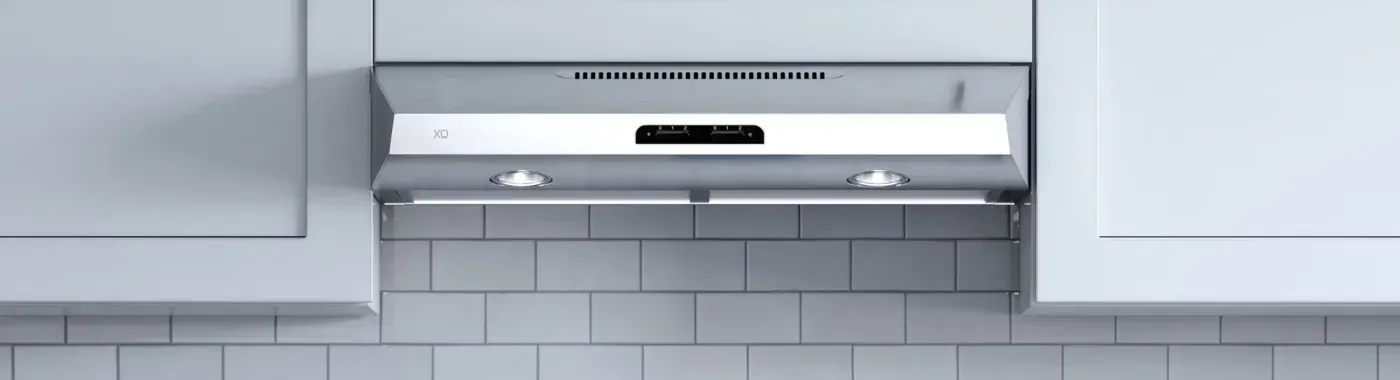
Types of Range Hoods
To determine if your range hood needs to be vented outdoors, let us first understand the different types of range hoods available.
Ducted vs. Ductless Range Hoods
One of the biggest decisions you'll make when shopping for a kitchen vent is whether to choose a ducted or ductless model. Here are some quick recommendations to help you choose which is best for your home.
| If You... | Best Choice | Why |
|---|---|---|
| Cook Every Day | Ducted Range Hood | Best smoke, grease, and odor removal |
| Have a Gas Range | Ducted Range Hood | Removes combustion gases and excess heat |
| Live in a Condo or Apartment | Ductless Range Hood | No exterior vent required |
| Are Remodeling Your Kitchen | Convertible Range Hood | Flexibility for future upgrades |
| Want the Easiest Installation | Ductless Range Hood | Minimal construction required |
| Have an Island Cooktop | Island Range Hood | Designed for open kitchen layouts |
If your kitchen allows for exterior venting, a ducted stove hood vent is typically the best long-term investment. If venting isn't possible, modern ductless models still provide excellent everyday performance when maintained properly.
Ducted Range Hoods
Outdoor Ventilation: Required
Ducted range hoods, also known as vented or exhaust hoods, are the most common type of range hood. They work by pulling air from the cooking area and venting it outside through a duct system. These hoods are typically more effective at removing smoke, steam, and odors from the kitchen. They require ductwork and professional installation and can be more expensive than other options upfront.
Best For: Homes where ductwork is possible and homeowners wanting maximum odor and grease removal.
Ductless Range Hoods
Outdoor Ventilation: Not Possible
Ductless range hoods, also known as recirculating hoods, do not require a duct system. Instead, they use a series of filters to trap grease and odors before recirculating the air back into the kitchen.
These hoods are easier to install and do not require any ductwork. However, they are generally not as effective as ducted hoods.
Best For: Kitchens without access to exterior walls or ductwork.
Are ductless range hoods effective?
Yes. Ductless range hoods effectively filter grease and reduce odors using charcoal filters before recirculating the air. While they aren't as powerful as ducted systems, they're an excellent option for many kitchens.
Convertible Range Hoods
Outdoor Ventilation: Optional
Convertible range hoods offer the best of both worlds, allowing you to switch between ducted and ductless options. This type of range hood is ideal for those who may not have access to a duct system but want the option to vent outside in the future.
Best For: Homeowners who want flexibility and may renovate in the future.
Choosing the Right Size Kitchen Vent
Selecting the proper size cooktop ventilation hood is just as important as choosing the right style.
What size range hood do I need?
Your range hood should be at least as wide as your cooktop. For the best performance, many homeowners choose a hood that is 3 to 6 inches wider than their cooktop, especially over gas ranges.
Quick Kitchen Vent Sizing Guide
| Cooktop Width | Recommended Hood Width |
|---|---|
| 24 inches | 24 to 30 inches |
| 30 inches | 30 to 36 inches |
| 36 inches | 36 to 42 inches |
| 48 inches | 48 to 54 inches |
Here are a few general guidelines:
-
Your range hood should be at least as wide as your cooktop or range.
-
For gas ranges, many homeowners choose a hood that's 3 to 6 inches wider than the cooking surface for better smoke capture.
-
Island range hoods should often be slightly larger because there are no surrounding cabinets to help direct airflow.
How Powerful Should a Range Hood Be?
Range hood power is measured in CFM (Cubic Feet per Minute). Most homes benefit from 250 to 600 CFM depending on cooking habits. Larger gas ranges and professional-style ranges may require 600 CFM or more.
General recommendations include:
| Cooking Style | Suggested CFM |
|---|---|
| Light Cooking | 250-400 CFM |
| Daily Family Cooking | 400-600 CFM |
| Frequent Frying or Grilling | 600-900 CFM |
| Professional-Style Gas Ranges | 900+ CFM |
Our appliance experts can help determine the ideal hood size based on your kitchen layout.
Ventilation Options for Range Hoods
Now that we understand the different types of range hoods, let us explore the different ventilation options available.
Vented Outside
The most effective way to vent a range hood is to duct it outside. This option completely removes smoke, steam, and odors from your home, improving air quality and minimizing fire hazards.
However, this option requires access to a duct system, which may not be possible in all kitchens.
Tips for ducting outside:
-
Use smooth, straight ducts whenever possible to maximize airflow.
-
Avoid sharp bends or long runs, which reduce efficiency.
-
Seal all joints with metal tape to prevent leaks.
Vented Through the Ceiling
If your kitchen does not have access to an exterior wall for venting, you may need to install a range hood vent through the ceiling.
This option requires more planning and may involve cutting through drywall or other materials to create a duct system. It is best to consult a professional for this type of installation.
Tip: Always check your local building codes before installing a range hood.
Vented Through the Wall
Venting a range hood through the wall is the most common option for ducted range hoods. This option requires cutting a hole in the wall and installing a duct system to the outside. Ensure the duct is sealed correctly to prevent air leaks.
Vented Through the Floor
In some cases, venting a range hood through the floor may be necessary. This option is typically used when the kitchen is on the second floor of a home or in a multi-story building. It requires cutting a hole in the floor and installing a duct system to the outside. Professional guidance is highly recommended.
Recirculating
If venting outside is not an option, a ductless range hood can be installed. This option uses a series of filters to trap grease and odors before recirculating the air back into the kitchen.
While not as effective as venting outside, it is still a viable option for those without access to a duct system.
Choosing the Right Range Hood for Your Cooking Style
The ideal range hood for your kitchen also depends on your cooking style and range or cooktop type. Here are some quick guidelines.
| Feature | Gas Range | Electric Range |
|---|---|---|
| Produces Combustion Gases | Yes | No |
| Produces More Heat | Yes | Moderate |
| Creates More Moisture | Yes | Less |
| Ducted Hood Recommended | Strongly Recommended | Recommended |
| Minimum Airflow | Higher | Moderate |
Gas Ranges
Gas ranges create combustion gases, additional heat, and more moisture than electric cooking.
A ducted stove vent is highly recommended because it removes:
-
Smoke
-
Steam
-
Grease
-
Heat
-
Carbon monoxide and other combustion byproducts
If you cook frequently on a gas range, investing in a high-quality ducted hood provides the best indoor air quality.
Electric Ranges
Electric ranges generally produce less smoke and heat, making them more forgiving when choosing ventilation.
While a ductless hood may work well for lighter cooking, homeowners who cook daily or prepare foods that generate smoke may still benefit from a ducted kitchen vent.
Cooktops
Whether you have a gas, electric, or induction cooktop, installing a properly sized cooktop ventilation hood improves air quality and keeps grease from accumulating throughout your kitchen.
Choose a hood designed specifically for your cooktop width and cooking style.
Kitchen Islands
Island cooktops require specialized island range hoods that hang from the ceiling.
Since there are no surrounding walls or cabinets to help contain smoke, these models often require:
-
Higher airflow (CFM)
-
Larger capture areas
-
Professional installation
A properly sized island hood keeps your open-concept kitchen cleaner while maintaining excellent visibility.
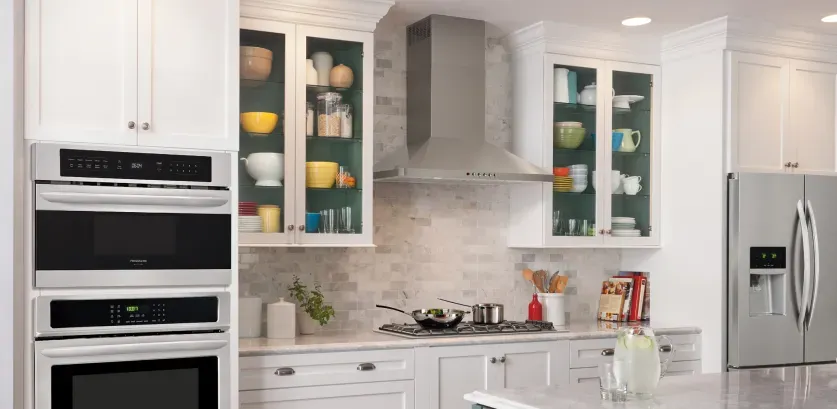
Factors to Consider When Choosing Ventilation Options
If you are deciding which option is best for your home, consider the following things.
-
Size: Choose a hood that is at least as wide as your cooktop for maximum coverage.
-
Noise Levels: Check decibel ratings; higher fan speeds often produce more noise.
-
Energy Efficiency: Look for hoods with LED lighting, variable fan speeds, and timers to save energy.
-
DIY vs Professional Installation: While some hoods are DIY-friendly, ducted installations usually require professional work for safety and performance.
Benefits of Venting a Range Hood Outside
While it may require more planning and installation, venting a range hood outside offers several benefits, including the following.
-
Improved Air Quality. Venting a range hood outside removes smoke, steam, and cooking odors from the kitchen, improving air quality and reducing the risk of fire hazards.
-
Reduced Maintenance. Ducted range hoods require less maintenance compared to ductless hoods. With a ducted hood, grease and odors are vented outside, reducing the need for frequent filter replacements.
-
Increased Home Value. A properly installed and vented range hood can increase the value of your home. It is a desirable feature for potential buyers and can make your kitchen more functional and appealing.
-
Energy Efficiency. Proper airflow reduces cooking odors and minimizes HVAC load.
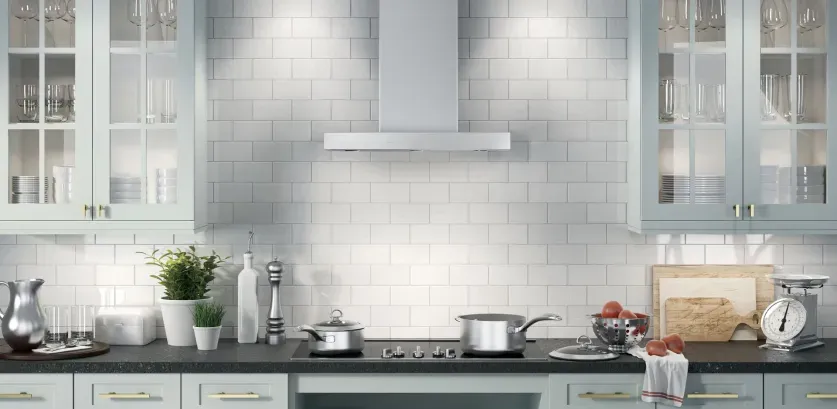
Shop for the Right Kitchen Vent at Silica For Your Home
If you are ready to purchase a new range hood, range, cooktop, or other home appliance, the experts at Silica for Your Home are nearby and ready to help.
Our knowledgeable team serves homeowners throughout Wisconsin and can help you determine the correct hood size, ventilation style, and airflow for your kitchen. Visit our appliance stores today in Fond du Lac, Beaver Dam, and Watertown, WI. Our helpful staff is here to help you make the best choice for your cooking needs.
Related readings from our blog:
FAQ: Common Questions About Range Hoods
Can I install a hood vent myself?
Some ductless and under-cabinet models are suitable for experienced DIY homeowners. However, ducted hood installations involving electrical work or new ductwork are best handled by professionals to ensure safe, efficient operation.
Are there any energy-efficient hood vent options available?
Yes, there are energy-efficient hood vents available. These vents feature features such as variable-speed fans, LED lighting, and timers to help reduce energy consumption. Wi-Fi-enabled vent hoods also offer additional features that improve efficiency.
How often should I clean the filters in my hood vent?
The frequency of filter cleaning depends on how much cooking you do and how much use your hood vent receives. Generally, filters should be cleaned or replaced every 3 to 6 months to maintain optimal performance.
How do I install a range hood vent through the ceiling?
If you have determined that venting through the ceiling is the best option for your kitchen, here are some steps on how to install a range hood vent through the ceiling.
-
Determine the location for the range hood vent. It should be placed above the cooking surface and centered between the cabinets.
-
Cut a hole in the ceiling using a drywall saw or reciprocating saw. Be sure to follow the manufacturer’s instructions for the size of the hole.
-
Install the vent duct through the hole and secure it in place.
-
Connect the duct to the range hood using duct tape or clamps.
-
Install the range hood according to the manufacturer’s instructions.
-
Seal any gaps around the vent duct with caulk to prevent air leaks.
-
Turn on the range hood and test for proper ventilation.
How do I install a range hood vent through the wall?
If venting through the wall is the best option for your kitchen, here are some simple steps for installing a range hood vent through the wall.
-
Determine the location for the range hood vent. It should be placed above the cooking surface and centered between the cabinets.
-
Cut a hole in the wall using a reciprocating saw. Follow the manufacturer’s instructions for the hole size.
-
Install the vent duct through the hole and secure it in place.
-
Connect the duct to the range hood using duct tape or clamps.
-
Install the range hood according to the manufacturer’s instructions.
-
Seal any gaps around the vent duct with caulk to prevent air leaks.
-
Turn on the range hood and test for proper ventilation.
What type of range hood is best for a gas stove?
A ducted range hood is generally the best choice for gas ranges because it removes combustion gases, excess heat, moisture, and cooking odors directly outside.
Related Articles