
How To Protect Furniture From Pets
Fri Mar 27 2026
- Furniture
Welcoming a pet into your home brings joy, companionship, and furniture challenges. Whether you have a playful pup, a curious kitten, or a lounging senior cat, pets can leave their mark on sofas, chairs, beds, and tables. The good news is that you don’t need to sacrifice your décor or replace furniture early just because of pet activity.
Protecting furniture from pets isn’t just about aesthetics, it’s about balancing comfort for your furry family members with longevity for your furniture. With the right strategies, you can create a pet‑friendly home that still looks stylish and stays well‑maintained.
In this guide, we’ll walk through practical, real‑world tips for keeping your furniture safe, from choosing the right materials to establishing protective routines that work long term.
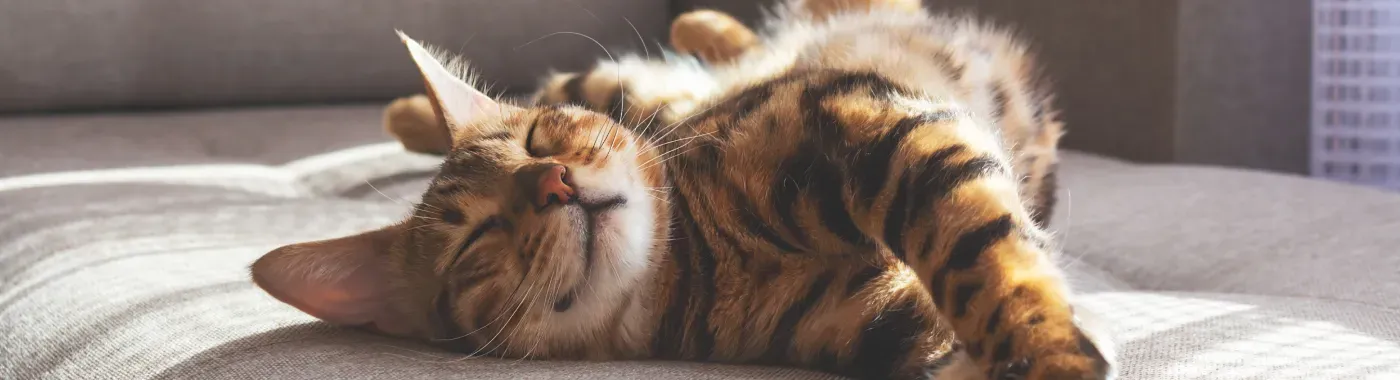
Why Furniture Protection Matters With Pets
Pets can add personality to your home, but they also introduce wear and tear. Common issues include:
-
Scratches on seats and arms
-
Fur buildup
-
Stains from accidents
-
Odor absorption
-
Wear on edges and cushions
Some of this is inevitable, but much of it is avoidable with the right habits and tools in place. Whether your pet is a mild mouser or an energetic chewer, understanding why protecting furniture matters helps you take a proactive, long‑term approach rather than reacting after damage occurs.
Start With the Right Furniture Choices
Some furniture materials naturally stand up better to pets than others. If you’re furnishing a new space or replacing items, consider materials and configurations that are pet‑friendly from the start.
Explore furniture options at Silica:
Best Furniture Materials for Pet Homes
1. Leather and Faux Leather: Leather resists fur and stains better than many fabrics and is easy to wipe clean. It scratches, but lighter grain leathers hide marks more quietly.
2. Performance Fabrics: Modern performance upholstery resists stains, repels liquids, and holds up well against frequent vacuuming. These are excellent for high‑traffic living rooms.
3. Tight Weave Fabrics: Tighter weaves are harder for claws to catch or fur to embed. They also tend to wear better over time.
Materials to Approach With Caution
-
Loose‑weave textiles can trap fur and pull with claws
-
Delicate fibers show wear more easily
-
Light colors without pet‑friendly finishes are harder to keep clean
Intentional furniture selections can make pet care significantly easier, saving you cleaning time and replacement costs.

Everyday Habits to Minimize Pet Impact
Having pet‑approved furniture is one thing, maintaining it is another. Simple daily and weekly habits go a long way.
Brush and Groom Regularly
Regular grooming keeps loose fur off your furniture. Even a quick brush session can reduce fur accumulation and dander.
Vacuum Frequently
Use a pet‑specific vacuum or attachments to target fur on sofas, chairs, and cushions. Focus on edges and seams where fur collects.
Establish “Pet‑Friendly Zones”
Train pets to use certain areas: their bed, a favorite rug, or a pet cushion. Reinforcing specific spots reduces the likelihood of pets lounging on delicate furniture unnecessarily.
Wipe Paws at Entry Points
Keep pet wipes or a small towel near doors to wipe muddy paws before your pet explores the living room.
These everyday habits create small but consistent reductions in wear, helping furniture stay clean and intact.
Protective Covers and Accessories
Sometimes habits alone aren’t enough. Using accessories that act as a shield between your pet and your furniture can protect surfaces without sacrificing comfort.
Furniture Protectors and Throws
Lightweight, washable covers for sofas and chairs act as sacrificial layers. They can be removed and washed easily, keeping fur and stains off the furniture underneath.
Pet‑Friendly Slipcovers
Slipcovers designed for pet homes are often made from durable performance materials. They protect your furniture while blending with stylish décor.
Pet Blankets and Mats
Placing a dedicated blanket where your pet likes to lounge (e.g., the arm of a couch or a favorite cushion) gives them a comfy spot and saves furniture material.
Scratch‑Resistant Throws for Arms
Pets often scratch armrests. Placing a thick throw or protective cover over high‑use areas preserves the fabric or leather beneath.
Using accessories is one of the simplest ways to protect furniture physically without constant monitoring.
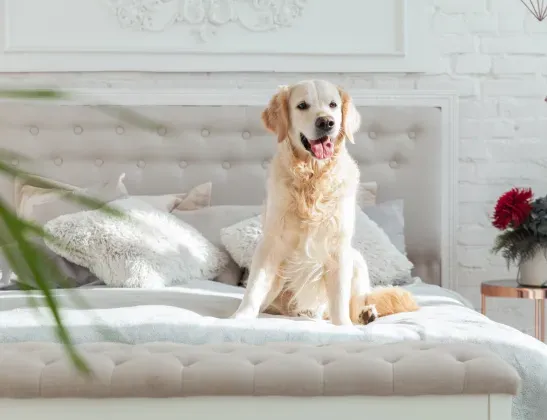
Train and Redirect Unwanted Behavior
Furniture protection isn’t just about materials, it’s about behavior. Teaching pets where they should relax and where they shouldn’t jump or scratch makes a big difference.
Teach Pets to Use Their Own Beds
Give your pet a comfortable bed or pad and encourage its use with treats and praise. When they associate THAT spot with comfort, they’re less likely to claim your couch.
Use Deterrents for Unwanted Areas
Pet‑safe sprays on furniture edges or scratch posts near sofas can redirect pets from chewing or scratching.
Reward Good Behavior
Positive reinforcement, treats, attention, play, helps pets learn which areas are allowed and which aren’t.
Behavioral training reduces the need for constant furniture cleaning and reinforces good habits that protect your home.
Deep Cleaning and Maintenance Tips
Even with preventative habits, deep cleaning becomes necessary from time to time.
Upholstery Cleaning
Use a pet‑safe fabric or upholstery cleaner. Test in an inconspicuous area first. Blot stains, don’t rub, as rubbing can push particles deeper into fibers.
Steam Cleaning
For performance fabrics and many upholstery types, steam cleaning refreshes fibers and sanitizes surfaces without harsh chemicals.
Leather Care
Condition leather regularly to prevent dryness and cracking. Wipe with a damp cloth to remove fur and dirt, then follow with a leather conditioner.
Regular Protective Sprays
Fabric protectors help repel liquid spills and help prevent lasting stains, ideal for homes with pets.
Maintaining a cleaning routine makes furniture look newer longer and helps prevent buildup of odors and allergens.
Choosing Furniture That Works With Your Lifestyle
There’s no one‑size‑fits‑all when it comes to pets and furniture, but there is a right fit for your household.
Ask yourself:
-
How big is your pet? Larger animals create more wear on seating surfaces.
-
Does your pet shed heavily? If fur is everywhere, prioritize performance fabrics and washable covers.
-
Where does your pet spend most of its time? If it lounges in the living room vs. a bedroom, tailor protection accordingly.
-
Is your home high‑traffic? Durable, easy‑clean surfaces will save time and effort.
Answering these questions will help you choose furniture that matches both your design preferences and your lifestyle needs.

Explore Furniture Solutions for You and Your Pets at Silica
Protecting furniture from pets doesn’t have to mean sacrificing style or comfort. With the right choices, from performance fabrics and protective covers to smart training and cleaning habits, your home can be both pet‑friendly and beautiful.
Explore Silica’s wide range of furniture for every room, including pet‑ready options that blend durability with style. Find pieces that complement your space and stand up to everyday life, pets included.
Visit one of our furniture stores today in Fond du Lac, Beaver Dam, and Watertown, WI, to shop for the latest furniture solutions.
Related readings from our blog:
FAQs: How To Protect Furniture From Pets
How do I stop my dog from scratching the couch?
Provide an alternative scratching surface, use pet‑safe deterrent sprays, and train consistently with positive reinforcement.
Are leather sofas better for homes with pets?
Leather resists fur and stains more easily than many fabrics and can be wiped clean quickly, but it may still show scratches, so pairing leather with covers or throws is often helpful.
What fabric types are easiest to clean with pets?
Performance fabrics, microfiber, and tight weaves are generally easier to clean and resist fur buildup better than loose weaves.
How often should I deep clean furniture if I have pets?
Plan for a deep clean every 3–6 months depending on shedding and use. High‑traffic furniture (like living room sofas) may need more frequent attention.
Related Articles