
Should I Repair Or Replace My Existing Appliance?
Fri May 29 2026
- Appliances
When a refrigerator stops cooling, or a dryer suddenly stops heating, one of the first questions homeowners ask is: Is it worth it to fix an appliance, or is it better to replace it altogether?
The answer depends on several factors, including the appliance’s age, repair costs, efficiency, and how often it has broken down. In some cases, a simple repair can add years to the life of your appliance. In others, replacing it can save you money, stress, and energy in the long run.
At Silica, we help homeowners every day decide whether to repair or replace appliances. Here are some important signs and tips to help you make the best decision for your home.
Key Takeaways: Repairing or Replacing Appliances
-
Deciding whether to repair or replace an appliance depends on several factors, including the appliance’s age, repair costs, energy efficiency, and overall reliability. In many cases, repeated repairs on older appliances can end up costing more over time than investing in a replacement.
-
Most major appliances have an average lifespan of 8-15 years. If your refrigerator, washer, dryer, or dishwasher is approaching the end of its expected lifespan and experiencing frequent problems, replacement may offer better long-term value.
-
Newer appliances often provide improved energy efficiency, quieter operation, better performance, and modern convenience features that can enhance everyday life while lowering utility costs.
-
Minor repairs such as replacing seals, belts, thermostats, or clogged components are often worthwhile when the appliance is still relatively new and otherwise dependable.
-
Before making a decision, homeowners should consider repair history, availability of replacement parts, energy usage, and whether a newer model would better suit their current lifestyle and household needs.
Is It Better to Repair or Replace an Appliance?
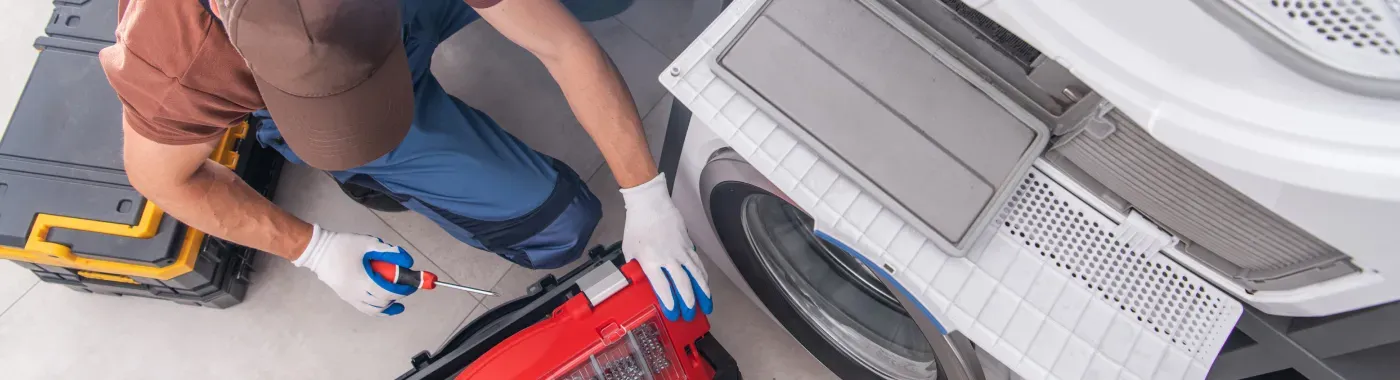
One of the biggest factors to consider is the overall value of the repair compared to the appliance itself. A good general rule is:
-
If the repair costs more than 50% of a new appliance's price, replacement is often the smarter investment.
-
If the appliance is still relatively new and the repair is minor, fixing it may make more sense.
You should also think about long-term reliability. Replacing one inexpensive part is very different from repeatedly repairing an appliance that keeps failing.
Top Signs It’s Time to Replace Your Home Appliances
If you are wondering whether your appliance is worth fixing, these are some of the biggest warning signs that it may be time for an upgrade:
Your Appliance Is More Than 10-15 Years Old
Most major home appliances have an average lifespan:
-
Refrigerators: 10-15 years
-
Dryers: 10-15 years
-
Dishwashers: Around 10 years
-
Washers: 8-12 years
-
Ranges and ovens: 13-15 years
As appliances age, repairs become more common, and replacement parts may become harder to find.
Repairs Are Becoming Frequent
If you are calling for service multiple times per year, repair costs can quickly add up. Frequent breakdowns are often a sign that the appliance is nearing the end of its lifespan.
Energy Bills Are Increasing
Older appliances are generally less energy-efficient than newer models. Upgrading to a modern ENERGY STAR® appliance can help lower water and electricity usage while improving performance.
The Appliance Is Not Performing Properly
Long dry times, inconsistent temperatures, leaking, unusual noises, or poor cleaning performance are all signs that something may be failing internally.
Replacement Parts Are Difficult to Find
If replacement parts for older models are discontinued or backordered, replacing the appliance may be more practical and cost-effective.
Refrigerator Repair or Replace?
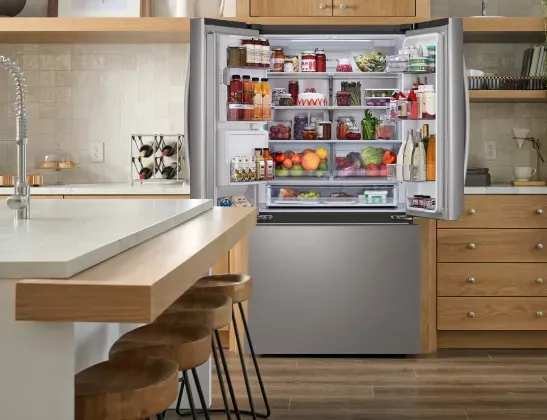
It's no laughing matter when you have an issue with your refrigerator. Being one of the most important kitchen appliances, the refrigerator is the sole device that keeps your food cool and fresh. While there are a variety of reasons your refrigerator may not be performing properly, we will help you determine whether your major appliance needs repair or a new unit altogether.
When Repairing a Refrigerator Makes Sense
A refrigerator repair may be worth it if:
-
The appliance is under 10 years old
-
The issue is minor, like replacing a seal or thermostat
-
The repair cost is relatively low
-
The refrigerator has otherwise been reliable
Common Refrigerator Problems That Can Often Be Repaired
-
Temperature issues: Problems with thermostats, airflow, or condenser coils
-
Door seal issues: Worn gaskets are causing cool air leaks
-
Ice maker or water dispenser problems: Often tied to replaceable components
-
Unusual noises: Fan motors, compressors, or drain pans may need attention
When It’s Better to Replace Your Refrigerator
You may want to replace your refrigerator if:
-
Repairs are becoming frequent
-
Food spoils regularly due to inconsistent cooling
-
Energy bills are increasing significantly
-
The compressor has failed on an older unit
-
The refrigerator is more than 15 years old
Washing Machine Repair or Replace?
Washing machines are another major appliance for which homeowners often wonder whether a repair is worth it or a replacement makes more sense. Like dryers, washers experience heavy daily use, which means wear and tear can build up over time.
Signs Your Washing Machine May Be Worth Repairing
In many cases, washer issues can be repaired if the appliance is still relatively young and otherwise in good condition.
-
Minor leaks caused by hoses or seals
-
Drainage issues due to clogged pumps or filters
-
Spin cycle problems from belt or motor issues
-
Control panel or sensor malfunctions
Signs It May Be Time to Replace Your Washing Machine
A replacement may be the better choice if:
-
The washer is more than 8-12 years old
-
Repairs are becoming frequent or expensive
-
The drum is damaged or excessively noisy
-
Clothes are not being cleaned properly
-
The unit is leaking from multiple areas or showing rust

Dryer Repair or Replace?
Should you fix or replace your damaged clothes dryer? There are various things to think about. If you can perform a simple repair at a low cost, that's usually your best option, but if you're looking at just a few hundred dollars in dryer repairs, you'll need to figure out what would be more expensive over time.
Signs Your Dryer May Be Worth Repairing
Simple dryer repairs are often worthwhile if the appliance is still in good condition overall.
Dryer Problems That Can Often Be Fixed
-
Heating element replacement
-
Worn belts or rollers
-
Faulty door latches or switches
-
Airflow and venting issues
-
Thermostat replacements
Signs It’s Time to Replace Your Dryer
You may want to consider replacing your dryer if:
-
It takes multiple cycles to dry clothes
-
You notice burning smells or smoke
-
The drum stops spinning repeatedly
-
Repair costs are adding up
-
The dryer is more than 10-15 years old
New dryers are often quieter, more energy-efficient, and gentler on fabrics than older models.
Dishwasher Repair or Replace?
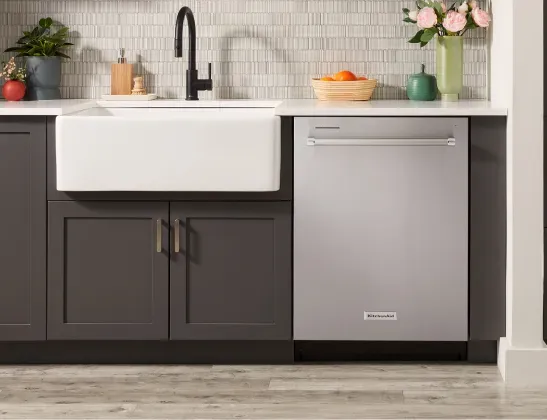
When deciding whether to replace or repair your dishwasher, there are two key factors: the availability of replacements and the appliance's age. This information will help you decide which option is best for your business. Dishwashers normally last ten years, although Consumer Reports estimates that roughly 30% of modern dishwashers need repair within the first 5 years.
Dishwasher Problems That Are Often Repairable
-
Drainage problems caused by clogged filters or hoses
-
Spray arm blockages
-
Faulty detergent dispensers
-
Minor pump or motor issues
-
Door seal replacements
Signs You Should Replace Your Dishwasher
It may be time for a new dishwasher if:
-
Dishes consistently come out dirty
-
Water leaks are damaging the flooring or cabinets
-
The dishwasher is loud during operation
-
Repairs are becoming frequent
-
The appliance is around 10 years old or older
Many modern dishwashers are also significantly quieter and more efficient than older models, making an upgrade worthwhile.
Tips for Deciding Whether to Repair or Replace an Appliance
Before making your decision, ask yourself:
-
How old is the appliance?
-
How expensive is the repair?
-
Has it needed repairs before?
-
Is it still energy efficient?
-
Are replacement parts available?
-
Would a newer model improve performance and lower utility costs?
In many cases, investing in a newer appliance can provide better reliability, updated features, and long-term savings.
Find the Right Replacement Appliances at Silica
Whether you decide to repair or replace your appliance, having expert guidance makes the process easier. At Silica, our team can help you repair your appliances, compare models, understand features, and find reliable appliances that fit your home and budget.
Visit our appliance stores today in Fond du Lac, Beaver Dam, and Watertown, Wisconsin to explore the latest refrigerators, washers, dryers, dishwashers, ranges, microwaves, and more. We’re here to help you make a confident decision and find appliances that work for your lifestyle.
Related readings from our blog:
FAQ: Common Questions About Repairing & Replacing Appliances
Is it worth it to fix an appliance?
It depends on the age of the appliance, the repair cost, and how often it has needed repairs. Minor repairs on newer appliances are often worthwhile, while major repairs on older appliances may not be cost-effective. A good rule is that if the repair costs more than half the price of a new appliance, replacement is often the smarter long-term investment. You should also consider whether the appliance has otherwise been reliable or if breakdowns are becoming more frequent.
How long do most home appliances last?
Most major appliances last between 10 and 15 years, depending on the type, usage, and maintenance. Refrigerators and dryers often last closer to 15 years, while washers and dishwashers may need replacement sooner due to heavier wear and tear. Regular cleaning and maintenance can help extend appliance lifespan and improve performance over time. However, older appliances may eventually become less efficient and more expensive to maintain.
Should I repair an appliance that is still under warranty?
In most cases, yes. If your appliance is under warranty, repairs may be covered, making repair the more affordable option. Manufacturer warranties can significantly reduce out-of-pocket costs for parts and labor, especially for newer appliances. Before scheduling service, check the warranty details to confirm what is included and whether authorized technicians are required. Repairing a covered appliance is often the best financial decision if the issue is relatively minor.
Are newer appliances more energy-efficient?
Yes. Many newer appliances use less water and electricity, which can help lower utility bills over time. Modern ENERGY STAR® appliances are designed to improve efficiency while still delivering strong performance and convenience features. Upgrading older appliances can also provide quieter operation, smarter technology, and better cleaning or cooling performance. For many homeowners, these long-term savings and quality-of-life improvements make replacement worthwhile.
Related Articles