
Dishwasher Not Drying Dishes? Common Causes and Fixes
Fri Jul 10 2026
- Appliances
Opening your dishwasher after a cycle only to find wet dishes can be frustrating. While a few drops of water are normal, dishes that come out soaking wet may indicate a problem with your dishwasher, the cycle you're using, or even the way the dishwasher is loaded.
If you've been wondering, "Why are my dishes wet?" or searching for a dishwasher not drying dishes fix, you're not alone. Fortunately, many dishwasher drying problems have simple solutions.
Here's what to check before calling for service or replacing your dishwasher.
Key Takeaways: Common Causes and Fixes for Dishwasher Not Drying
-
Wet dishes are often caused by simple issues like an empty rinse aid dispenser, overcrowded racks, or using an energy-saving cycle without heated drying.
-
Proper loading and routine maintenance improve drying performance by allowing air to circulate and moisture to escape during the drying cycle.
-
A faulty heating element or blocked vent may require professional repair, especially if your dishwasher consistently leaves every load wet.
-
If your dishwasher is over 10 years old and frequently underperforms, upgrading to a newer model may provide better drying technology, quieter operation, and improved energy efficiency.

Why Is My Dishwasher Not Drying Dishes?
Several factors affect how well your dishwasher dries. Some are easy to fix yourself, while others may require professional service.
You're Not Using Rinse Aid
One of the most common reasons a dishwasher is not drying dishes is a lack of rinse aid.
Rinse aid helps water sheet off dishes rather than form droplets. This allows dishes to dry faster and reduces water spots on glasses and silverware.
If your dishes consistently come out wet:
-
Check the rinse aid dispenser.
-
Refill it regularly.
-
Adjust the dispenser setting if your dishwasher allows it.
Many homeowners are surprised by how much of a difference this simple step can make.
The Heating Element May Not Be Working
Most traditional dishwashers use a heating element during the drying cycle.
If the heating element has failed, your dishes may come out clean but remain wet at the end of every cycle.
Signs of a faulty heating element include:
-
Dishes are consistently wet after every load.
-
The interior of the dishwasher feels cool after the cycle ends.
-
Plastic and glass items remain equally wet.
A qualified appliance technician can determine whether the heating element needs repair or replacement.
The Wrong Wash Cycle Is Selected
Many energy-saving dishwasher cycles reduce or eliminate heated drying to conserve electricity.
If you're experiencing dishwasher drying problems, check whether you've selected one of the following cycles. Many of these selections do not dry the dishes to conserve energy.
-
Eco Mode
-
Air Dry
-
Energy Saver
For better drying performance, choose options such as:
-
Heated Dry
-
Sanitize Cycle
-
Extra Dry
-
High Temperature Wash
These settings often provide noticeably better drying results.
Blocked Vents Can Prevent Proper Drying
Many dishwashers use vents to release hot, moist air during the drying cycle.
If these vents become blocked by grease, food debris, or mineral buildup, moisture can become trapped inside the dishwasher.
Regular cleaning helps maintain proper airflow and drying performance.
Overloading the Dishwasher
Overloading is another common reason dishes remain wet. When dishes are packed too tightly, air cannot circulate properly, and water pools between dishes, decreasing drying performance.
For the best results:
-
Leave space between dishes.
-
Angle bowls and cups downward.
-
Avoid nesting items together.
-
Keep large items from blocking vents or spray arms.
Proper loading improves both washing and drying.

How to Improve Dishwasher Drying Performance
If your dishwasher consistently leaves dishes wet, the good news is that you may not need a repair at all. Small changes to how you use and maintain your dishwasher can often improve drying performance and help you get better results from every cycle.
Start the Dishwasher With Hot Water
Before starting a load, run the hot water at your kitchen sink until it reaches its hottest temperature. This ensures the dishwasher begins the wash cycle with hot water immediately, helping it clean and dry dishes more effectively. If the dishwasher starts with cold water, it may not reach the ideal temperature for optimal drying.
Load Dishes Correctly
How you load your dishwasher has a significant impact on drying performance. Leave enough space between plates, bowls, and glasses so air can circulate freely during the drying cycle. Place cups, bowls, and food storage containers at an angle so water can drain instead of collecting inside them, and avoid blocking spray arms or air vents with oversized cookware.
Use the Right Drying Cycle
Many modern dishwashers default to energy-saving settings that reduce or skip heated drying. If your dishes frequently come out wet, try selecting options such as Heated Dry, Extra Dry, or Sanitize, which often extend the drying cycle and improve moisture removal. While these settings may use slightly more energy, they can make a noticeable difference in drying performance.
Leave the Door Slightly Open After the Cycle
Once the wash cycle is complete, crack the dishwasher door open for several minutes to allow steam and excess moisture to escape. This simple habit encourages faster evaporation and helps prevent water from settling back onto your dishes, especially plastics and glassware.
Clean Your Dishwasher Regularly
Food particles, grease, hard water deposits, and clogged filters can all reduce your dishwasher's overall performance. Regularly cleaning the filter, spray arms, door seals, and vents helps maintain proper water flow and airflow throughout the appliance. Routine maintenance not only improves drying results but can also extend the life of your dishwasher and keep it operating efficiently.
Should You Repair or Replace Your Dishwasher?
When your dishwasher isn't drying properly, it's tempting to assume the appliance has reached the end of its life. However, drying performance can decline for several reasons, and not all of them require replacing the entire unit. Before making a decision, consider the dishwasher's age, repair history, overall cleaning performance, and whether newer models offer features that could improve your everyday routine.
Repair May Be the Right Choice If:
-
Your dishwasher is less than 8 to 10 years old.
-
The issue is limited to one replaceable part.
-
The repair cost is relatively low.
-
The dishwasher has otherwise been reliable.
Replacement May Be the Better Option If:
-
The dishwasher is over 10 years old.
-
Multiple components are failing.
-
Repairs are becoming frequent.
-
Drying performance, cleaning performance, and efficiency have all declined.
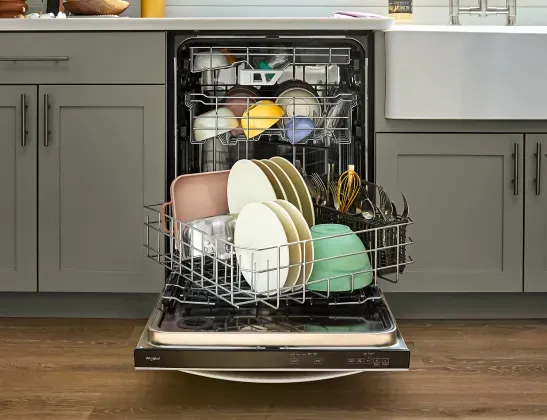
Today's dishwashers offer quieter operation, improved energy efficiency, flexible rack systems, and advanced drying technologies that can make daily cleanup much easier.
Don't Forget to Check Your Warranty
Before paying for repairs, check whether your dishwasher is still covered under the manufacturer's warranty or an extended protection plan.
At Silica, we offer Extended Warranty Plans to help protect your appliance long after your original warranty expires.
Choose from 2-, 3-, or 5-year protection plans, with benefits that include:
-
Unlimited covered repairs
-
A No Lemon Guarantee if recurring issues occur
-
Coverage for every appliance we sell
-
A Smart Buy Reward on qualifying 5-year plans
One of the best parts? If you purchase a qualifying 5-year plan and never need warranty service, you'll receive the full value of your warranty back as in-store credit toward a future purchase.
It's a simple way to enjoy extra peace of mind while protecting your investment.

Shop With Confidence at Silica
Buying a new appliance is a big decision, and we're committed to making the process as easy as possible. Whether your current dishwasher simply needs a repair or you're ready to upgrade to a model with advanced drying technology, Silica is here to help. Our appliance specialists can help you compare drying systems, rack configurations, quiet operation ratings, and energy-efficient features so you can choose a dishwasher that fits both your kitchen and your lifestyle.
Every appliance purchase at Silica is backed by our Satisfaction Guarantee. Our knowledgeable sales team will help you compare models, answer your questions, and recommend the best dishwasher for your home and budget.
When you shop with us, you can also expect:
-
Expert guidance from experienced appliance specialists.
-
Accurate, transparent pricing with electronic price tags and real-time promotions.
-
Professional service from the same team that sells your appliance.
-
Thousands of appliances are stocked in our warehouse.
-
Every appliance is inspected before delivery to help ensure it arrives in excellent condition.
-
Our appliance service team services everything we sell.
Visit one of our appliance stores in Fond du Lac, Beaver Dam, or Watertown, Wisconsin, to explore our wide selection of dishwashers, refrigerators, ranges, microwaves, and more.
Related readings from our blog:
FAQ: Common Questions About Dishwasher Drying Problems
Is it normal for plastic dishes to stay wet?
Yes. Plastic doesn't retain heat the way glass, ceramic, or metal do, so moisture evaporates more slowly during the drying cycle. Even high-performing dishwashers may leave some plastic items damp after a load. Placing plastics on the upper rack and using a rinse aid can help improve drying results.
Can rinse aid really make a difference?
Absolutely. Rinse aid reduces the surface tension of water, allowing it to sheet off dishes instead of forming droplets that remain after the cycle ends. This not only improves drying performance but also helps reduce water spots and streaks on glassware. Keeping the dispenser filled is one of the easiest ways to improve dishwasher performance.
Is it worth repairing a dishwasher that isn't drying?
If your dishwasher is relatively new and the problem is limited to a replaceable component, repairing it is often the most cost-effective solution. However, if the appliance is more than 10 years old, requires frequent repairs, or is also struggling to clean dishes effectively, replacement may provide better long-term value. Comparing the repair estimate with the cost of a new dishwasher can help you make an informed decision.
Do newer dishwashers dry better than older models?
In many cases, yes. Modern dishwashers often feature improved airflow systems, fan-assisted drying, heated drying options, and more efficient condensation drying technologies than older models. They also tend to operate more quietly while using less water and energy. Upgrading can improve both cleaning performance and everyday convenience.
Can loading my dishwasher incorrectly affect drying performance?
Yes. Overloading dishes or placing bowls, cups, and containers too close together can prevent hot air from circulating properly during the drying cycle. Water may also collect in nested items or on flat surfaces, leaving dishes wetter at the end of the cycle. Following the manufacturer's loading recommendations helps maximize both cleaning and drying performance.
Related Articles