
How to Choose the Right Mattress, Base, or Box Spring for Your Wisconsin Home
Fri Apr 17 2026
- Mattresses
Buying a new bed is more than just picking a mattress, it’s about creating a complete sleep system that supports your body, fits your lifestyle, and improves your overall well-being. While many shoppers focus only on the mattress, the foundation beneath it plays an equally important role in comfort, durability, and long-term performance.
At our mattress showroom in Fond du Lac, we help Wisconsin shoppers build the right sleep setup every day. In this guide, we’ll walk through everything you need to know about mattresses, bases, and box springs so you can confidently choose the right setup for your home.
Key Takeaways: What to Know Before Buying a New Bed
-
Your mattress, base, and support system all work together to impact comfort and longevity
-
Modern mattresses often require specific foundations, not always a box spring
-
Choosing the right mattress depends on sleep position, comfort preferences, and support needs
-
Adjustable bases are growing in popularity for comfort, flexibility, and health benefits
-
Proper care and support can extend your mattress lifespan to 7-10 years or more
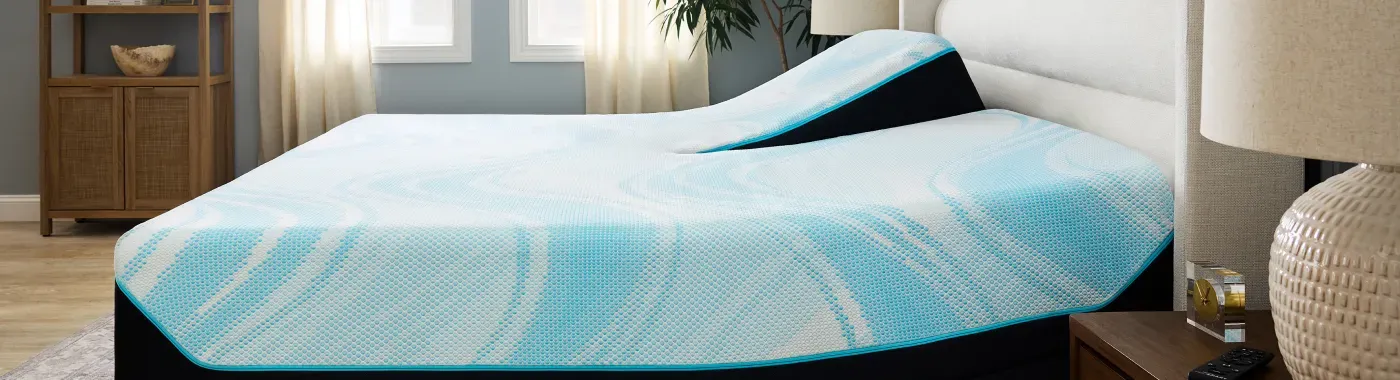
Why Your Bed Setup Matters More Than You Think
It’s easy to think of a bed as a single purchase, but in reality, it’s a system made up of multiple components working together. The wrong combination, like pairing a foam mattress with an incompatible base, can lead to discomfort, sagging, and even voided warranties.
When your mattress and foundation are properly matched, you’ll experience:
-
Better spinal alignment
-
Improved pressure relief
-
Longer mattress lifespan
-
More consistent comfort night after night
That’s why understanding how each piece works together is key to making a smart investment.
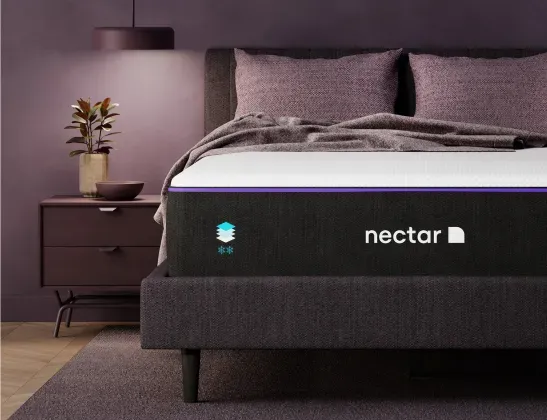
Understanding the Foundation: Bases vs. Box Springs
Before choosing a mattress, it’s important to understand what supports it. Your foundation directly impacts how your mattress feels and performs over time.
What Is a Bed Base?
A bed base (or foundation) is the structure that supports your mattress. It ensures even weight distribution and helps maintain the integrity of the mattress materials.
Common types include:
-
Platform bases: Provide a solid, flat surface ideal for foam and hybrid mattresses
-
Slatted bases: Offer airflow and support, as long as slats are properly spaced
-
Adjustable bases: Allow you to elevate your head or feet for added comfort
Choosing the right base isn’t just about support, it also affects how your mattress feels and how long it lasts.
What Is a Box Spring, and Do You Still Need One?
A box spring is a traditional foundation made with a wooden frame and internal springs designed to absorb shock and add height.
While box springs were once standard, modern mattress technology has changed how they’re used. Many newer mattresses, especially foam and hybrid models, perform better on solid or slatted foundations instead of flexible spring systems.
When a box spring still makes sense:
-
You have a traditional innerspring mattress
-
You want added height for easier access
-
Your bed frame requires additional support
When to skip it:
-
You’re buying memory foam or hybrid mattresses
-
You’re using a platform or adjustable base
-
You prefer a modern, low-profile bed design
For more insight into box springs, check out our Do You Need a Box Spring With Your New Mattress? blog article.
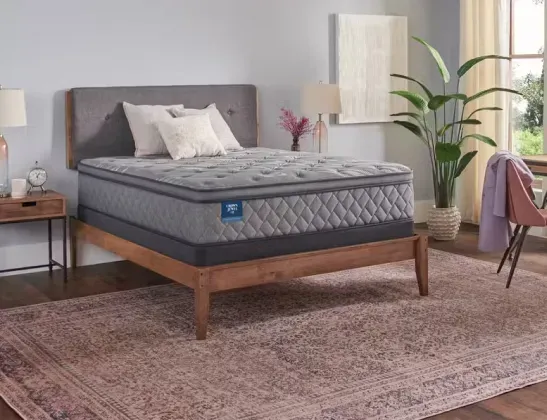
Choosing the Right Mattress for Your Sleep Style
Your mattress is the centerpiece of your sleep setup, and choosing the right one depends on how you sleep, not just what feels comfortable in-store.
Common Mattress Types
-
Contour to your body and relieve pressure points
-
Ideal for side sleepers and those with joint pain
-
Typically require a solid or slatted base
-
Traditional coil-based support with a responsive feel
-
Great for back and stomach sleepers
-
Often compatible with box springs
-
Combine foam comfort with coil support
-
Offer balanced pressure relief and responsiveness
-
Work best with solid or platform foundations
How to Choose Based on Sleep Position
-
Side sleepers: Look for softer surfaces to cushion shoulders and hips
-
Back sleepers: Choose medium-firm for spinal alignment
-
Stomach sleepers: Firmer mattresses help prevent sinking
-
Combination sleepers: A balanced, medium feel works best
The right mattress should adapt to your body, not the other way around.
Adjustable Bases: Are They Worth It?
Adjustable bases are one of the fastest-growing trends in sleep technology, and for good reason. These bases allow you to raise or lower sections of your bed for personalized comfort and support.
Benefits include:
-
Reduced snoring and improved breathing
-
Better circulation and pressure relief
-
Enhanced comfort for reading or watching TV
Adjustable bases eliminate the need for a box spring and offer a modern, flexible alternative to traditional setups.

Practical Tips for Buying a New Bed
Shopping for a new bed doesn’t have to be overwhelming. With the right approach, you can make a confident, informed decision.
Think Beyond Just Comfort
Ask yourself:
-
How does this mattress support my sleep position?
-
Will it work with my current bed frame?
-
Does it align with my long-term comfort needs?
Test Before You Buy
If possible, spend time lying on a mattress in your typical sleep position. Even 10-15 minutes can reveal a lot about comfort and support.
Consider Your Full Setup
Your mattress, base, and frame should work together. Choosing one without considering the others can lead to poor performance and discomfort over time.
Set a Realistic Budget
A mattress is an investment in your health. While you don’t need the most expensive option, prioritizing quality materials and construction can make a big difference.
How to Care for Your Mattress and Extend Its Life
Once you’ve found the right bed, proper care ensures it stays comfortable and supportive for years to come.
Simple Maintenance Tips
-
Use a mattress protector to guard against spills and allergens
-
Rotate your mattress every 3–6 months to prevent uneven wear
-
Vacuum occasionally to remove dust and debris
-
Ensure your base provides consistent, even support
Knowing how to clean a mattress goes a long way towards fostering long-term usability. With proper care, most mattresses last 7-10 years, though comfort and performance can vary depending on usage.
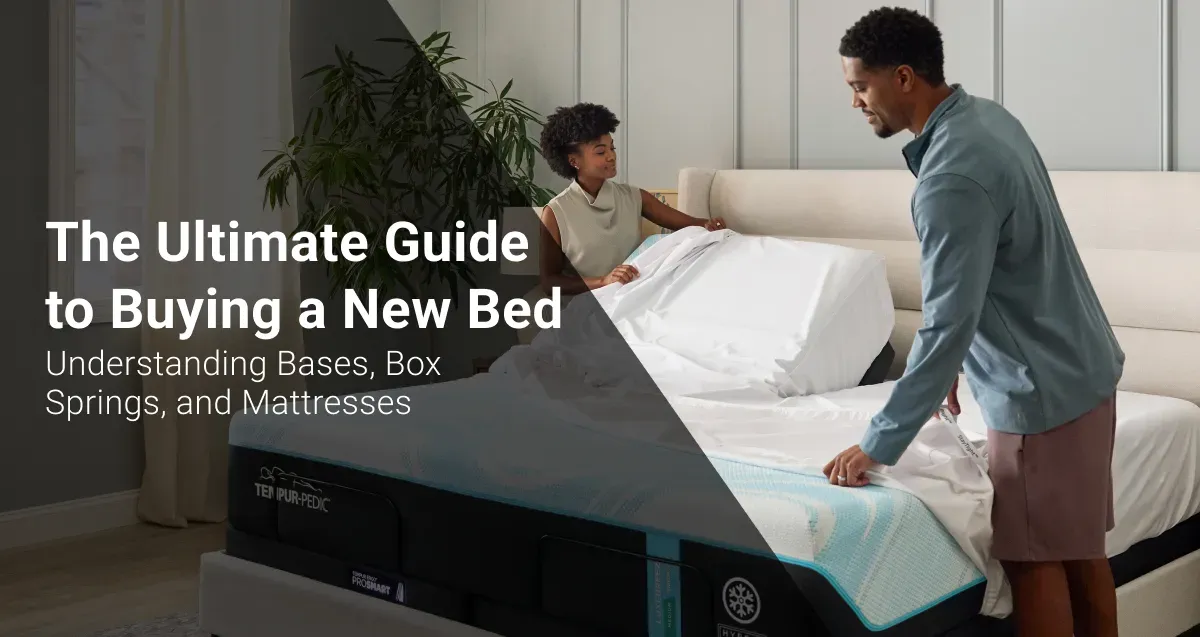
Setup Your New Bed the Right Way at Silica
Choosing the right bed setup is one of the most important investments you can make for your home and your health. By understanding how mattresses, bases, and support systems work together, you can create a sleep environment that delivers comfort, durability, and long-term value.
Ready to upgrade your sleep experience? Explore Silica’s full selection of mattresses, adjustable bases, and sleep solutions to find the perfect fit for your lifestyle
Visit our mattress store today in Fond du Lac, WI, to shop for the latest mattress and bedding solutions with confidence.
Related readings from our blog:
FAQs: The Ultimate Guide to Buying a New Bed
Do I need a box spring with a new mattress?
Not always, many modern mattresses are designed to work better on solid or slatted foundations. Always check manufacturer recommendations to ensure proper support and maintain your warranty.
What type of mattress is best for back pain?
A medium-firm mattress is typically best, offering a balance of comfort and support. It helps keep your spine aligned while still relieving pressure points.
How long does a mattress last?
Most mattresses last between 7-10 years, depending on quality and care. If you notice sagging or discomfort, it may be time to replace it sooner.
Are adjustable bases worth it?
Yes, especially for those seeking added comfort and flexibility in their sleep setup. They can also provide health benefits like improved circulation and reduced pressure points.
What’s the difference between a foundation and a box spring?
A foundation provides solid, even support, while a box spring has flexible coils that add bounce. Most modern mattresses perform better on a firm foundation rather than a traditional box spring.
Related Articles