
How to Maintain Your Grill Year-Round in the Midwest
Fri Apr 10 2026
- Grills
Grilling in the Midwest isn’t just a summer activity, it’s a year-round lifestyle for many Wisconsin homeowners. From backyard barbecues in July to cold-weather grilling in January, your grill is exposed to everything from humidity and rain to snow, ice, and fluctuating temperatures.
Understanding how to maintain your grill year-round in the Midwest is essential if you want to protect your investment, extend its lifespan, and ensure consistent cooking performance. With the right maintenance routine, your grill can handle seasonal changes without losing efficiency or reliability.
Key Takeaways: Maintaining Your Grill Year-Round in the Midwest
-
Midwest weather requires seasonal grill maintenance to prevent rust, wear, and performance issues
-
Regular cleaning and protective measures extend the life of your grill and improve cooking results
-
Winterizing your grill properly prevents damage from snow, ice, and freezing temperatures
-
Spring and summer maintenance ensures your grill is ready for peak cooking season
-
Consistent care helps you avoid costly repairs and keeps your grill performing like new
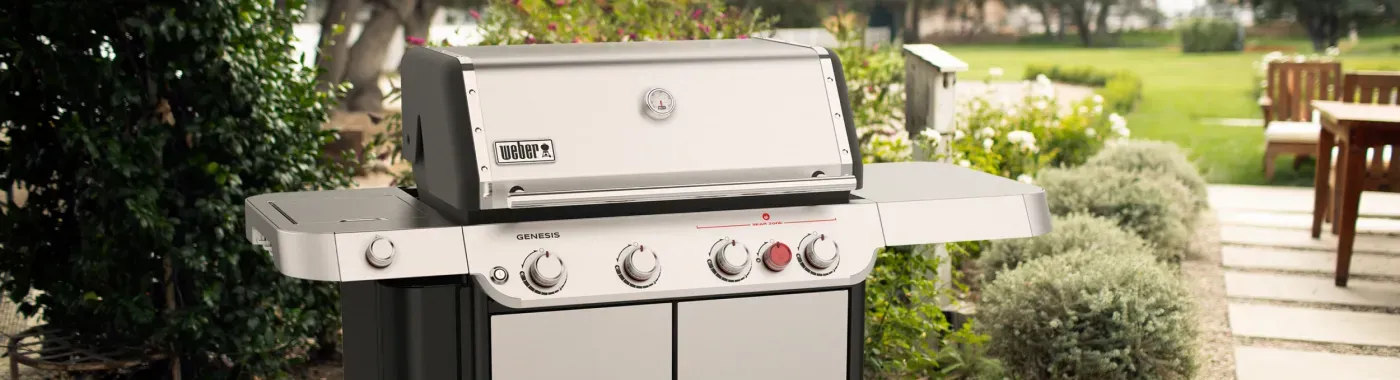
Why Year-Round Grill Maintenance Matters for Wisconsin Homeowners
Midwest climates are tough on outdoor equipment. Rapid temperature changes, moisture, and seasonal debris can all impact your grill’s performance and longevity.
Without proper maintenance, you may encounter:
-
Rust and corrosion on grates and burners
-
Uneven heating or reduced flame performance
-
Grease buildup that impacts flavor and safety
-
Component wear that leads to costly replacements
Maintaining your grill throughout the year helps prevent these issues before they start, keeping your grill safe, efficient, and ready to use whenever you need it.
Spring Grill Maintenance in the Midwest: Get Ready for Peak Season
Spring is the perfect time to bring your grill back to life after winter. Even if it’s been covered, it likely needs a thorough inspection and cleaning.
Deep Clean Your Grill
Start by removing grates, burner covers, and drip trays. Clean:
-
Grates with a grill brush or soak solution
-
Interior surfaces to remove grease buildup
-
Drip trays to prevent flare-ups
Inspect Key Components
Check for:
-
Rusted or clogged burners
-
Cracked hoses or loose connections
-
Ignition issues
Catching these early ensures your grill performs reliably throughout the busy grilling season.
Test Heat Distribution
Turn on your grill and monitor how evenly it heats. Uneven heat can indicate burner blockages or wear that needs attention.
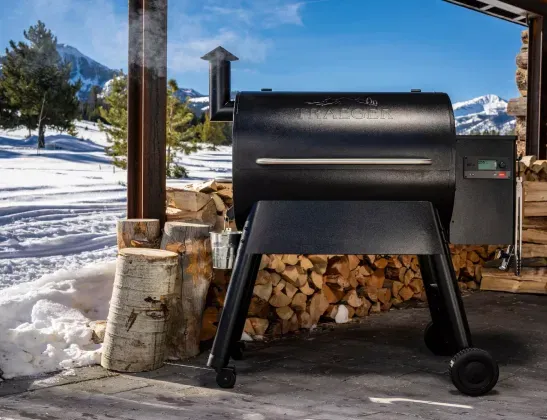
Summer Maintenance: Keep It Running Smoothly
Summer is when your grill sees the most use, so maintenance during this season is about consistency.
Clean After Every Use
Make it a habit to:
-
Brush grates while they’re still warm
-
Empty grease trays regularly
-
Wipe down exterior surfaces
This prevents buildup that can affect both performance and flavor.
Monitor Grease and Flare-Ups
Heavy grilling leads to grease accumulation. Keeping trays clean reduces fire risk and keeps cooking temperatures stable.
Protect Against Weather Exposure
Even in summer, Midwest storms and humidity can cause damage. Use a grill cover when not in use to protect against rain and moisture.
Fall Maintenance: Prepare for Colder Weather
As temperatures drop, it’s time to transition your grill into a more protected state.
Perform a Mid-Year Deep Clean
Before winter arrives, give your grill another thorough cleaning to remove accumulated grease and residue.
Check for Wear and Tear
After a full season of use, inspect:
-
Burners
-
Grates
-
Ignition systems
Replacing worn parts now prevents issues when you need your grill in colder months.
Apply Protective Coatings
Lightly oil grates and metal components to reduce the risk of rust as humidity and cold increase.
Winter Grill Maintenance: Protect and Preserve
Winter is the most challenging season for grills in the Midwest. Snow, ice, and freezing temperatures can cause serious damage if your grill isn’t properly maintained. Wisconsin winters, especially in areas like Fond du Lac and Watertown, bring heavy snowfall and prolonged freezing temps that make proper winterization essential.
Use a High-Quality Grill Cover
A durable, weather-resistant cover is essential. It protects against:
-
Snow accumulation
-
Ice formation
-
Moisture intrusion
Keep Your Grill Elevated
Avoid placing your grill directly on surfaces where snow and ice accumulate. Elevation helps prevent moisture from sitting at the base.
Clear Snow Regularly
If your grill is stored outside, brush off snow after storms. Heavy buildup can cause structural strain and moisture issues.
Be Mindful When Grilling in Cold Weather
If you grill in winter:
-
Allow extra time for preheating
-
Keep the lid closed as much as possible
-
Monitor fuel levels, as cold temperatures can impact performance
Should You Store Your Grill or Keep It Outside?
One of the most common questions Midwest homeowners face is whether to store their grill indoors during the winter or leave it outside with protection. The answer depends on how often you use your grill, the type of grill you have, and the space available. Both options have advantages and trade-offs.
Storing Indoors (Garage or Shed)
Pros:
-
Maximum protection from harsh weather: Storing your grill indoors shields it from snow, ice, and freezing temperatures, which are common in the Midwest.
-
Prevents rust and corrosion: With less exposure to moisture and humidity, metal components stay in better condition over time.
-
Extends grill lifespan: Indoor storage helps your grill maintain its performance and aesthetics longer.
Cons:
-
Requires available indoor space: Grills can be bulky, and not all garages or sheds have room to store them safely.
-
Safety considerations: Ensure proper ventilation if your grill uses propane or natural gas, and never store fuel indoors.
Tips for indoor storage:
-
Disconnect propane tanks and store them outside in a well-ventilated area.
-
Place a protective mat underneath to prevent grease stains and scratches.
-
Clean the grill thoroughly before storing to remove grease and food debris that could attract pests.
Keeping It Outdoors
Pros:
-
Convenient for year-round grilling: If you plan to grill through spring, summer, and even winter, keeping it outdoors eliminates the hassle of moving a heavy appliance.
-
No space constraints: Outdoor storage is ideal for homes with limited garage or shed space.
-
Ease of access: Perfect for spontaneous grilling sessions without extra setup.
Cons:
-
Exposure to weather requires diligent maintenance: Rain, snow, wind, and fluctuating temperatures can damage your grill if not properly protected.
-
Increased risk of rust and wear: Even with a cover, moisture can seep in, and cold temperatures can affect metal components and propane performance.
Tips for outdoor storage:
-
Use a durable, weather-resistant grill cover that fits snugly to prevent snow or water from entering.
-
Elevate the grill slightly using bricks or a mat to prevent moisture from collecting at the base.
-
Regularly remove snow, ice, or debris from the cover to reduce weight and prevent moisture seepage.
-
Consider investing in a grill shelter or patio enclosure for added protection without sacrificing outdoor access.
Making the Right Choice for Your Home
Ultimately, the decision comes down to usage, space, and your commitment to maintenance:
-
If you grill year-round and don’t have room indoors, leaving it outside is fine, but it requires more frequent cleaning, inspections, and protection.
-
If you mostly grill during warmer months or want to minimize long-term wear, storing your grill indoors is the safest option.
By weighing these factors and following proper storage practices, you can protect your grill investment while keeping it ready for every Midwest cookout.
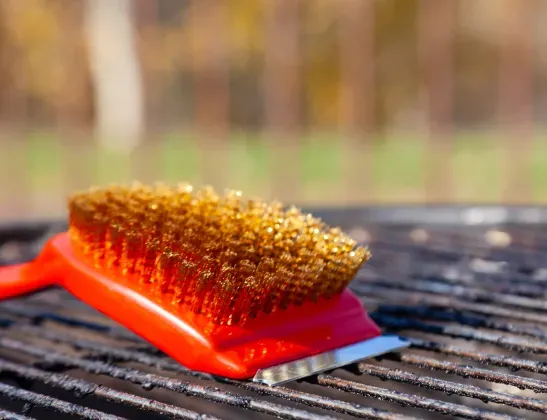
Common Grill Maintenance Mistakes and What to Do Instead
Even experienced grill owners can fall into maintenance traps that shorten the life of their appliance or compromise performance. Avoiding these common mistakes is key to keeping your grill in top shape year-round, especially in the Midwest, where weather extremes can accelerate wear and tear.
1. Skipping Regular Cleaning
Many homeowners only clean their grill when it’s visibly dirty, but grease, food residue, and ash can accumulate quickly and cause corrosion. Midwest winters with high humidity and snow make this problem worse if moisture gets trapped inside.
Tips to avoid this mistake:
-
Clean grates and burners after every few uses with a wire brush or grill cleaning tool.
-
Empty the drip tray and ash catcher regularly to prevent buildup.
-
Schedule a deep cleaning at least once per season, including inside the hood and around burners.
2. Ignoring Propane and Gas Connections
Neglecting gas lines, valves, and connections can be dangerous and reduce your grill’s efficiency. Propane regulators and hoses are especially susceptible to damage from freezing temperatures, which are common in the Midwest.
Tips to avoid this mistake:
-
Check hoses and connections for cracks or leaks before each grilling season.
-
Test for leaks using a soap-and-water solution, bubbles indicate a problem.
-
Replace old or damaged hoses promptly, and never store propane tanks indoors during winter.
3. Leaving the Grill Exposed to Weather
It’s tempting to leave your grill uncovered outside for convenience, but snow, rain, ice, and extreme cold can quickly damage components. Rusted grates, clogged burners, and waterlogged igniters are all common consequences.
Tips to avoid this mistake:
-
Invest in a high-quality, weather-resistant cover that fits snugly.
-
If possible, use a grill shelter or patio enclosure to protect from wind and precipitation.
-
Remove snow and ice accumulation promptly to prevent weight and moisture damage.
4. Using the Wrong Cleaning Tools
Harsh chemicals or abrasive tools can damage stainless steel surfaces and non-stick coatings, leading to rust or degraded performance.
Tips to avoid this mistake:
-
Use grill-specific cleaners for surfaces and burners.
-
Choose non-abrasive brushes or scrapers for delicate areas.
-
Avoid pressure washing, which can force water into sensitive components.
5. Not Scheduling Seasonal Inspections
Grills are mechanical appliances that benefit from routine inspections. Failing to inspect burners, igniters, and moving parts before each season can result in unexpected breakdowns.
Tips to avoid this mistake:
-
Check burners for clogs, and clean holes with a soft brush or pin.
-
Test the igniter system to ensure sparks ignite fuel efficiently.
-
Inspect all bolts, screws, and hardware for tightness and corrosion.
Bottom line: Avoiding these maintenance mistakes can dramatically extend the lifespan of your grill and ensure safe, consistent performance year-round. Regular cleaning, proper storage, and routine inspections are especially critical in the Midwest, where weather can be harsh and unpredictable.
How Often Should You Maintain Your Grill?
Consistency is key when it comes to grill maintenance.
Here’s a simple schedule to follow:
-
After each use: Brush grates and empty grease trays
-
Monthly: Light cleaning and inspection
-
Seasonally: Deep cleaning and component checks
-
Annually: Full inspection and part replacement as needed
Sticking to this routine keeps your grill performing reliably in every season.
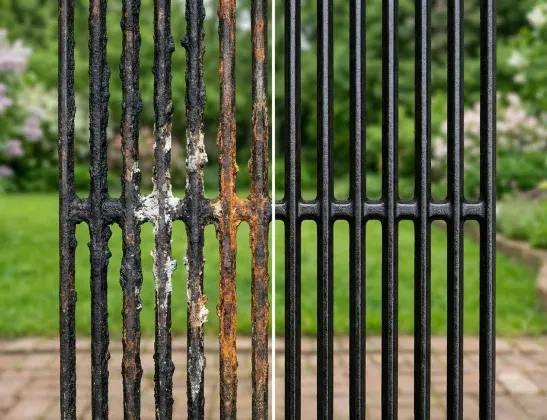
Shop Grills and More with Peace of Mind at Silica
Taking care of your grill year-round ensures it’s always ready when you are, whether you’re hosting summer cookouts or grilling in the middle of winter. With the right maintenance routine, you can extend the life of your grill, improve performance, and protect your investment.
Ready to upgrade your setup? Browse our full selection of grills at Silica, from charcoal and pellet grills to LP and natural gas options. Visit our showrooms in Fond du Lac, Beaver Dam, or Watertown and let our team help you find the right fit.
Related readings from our blog:
FAQs: How to Maintain Your Grill Year-Round in the Midwest
Can I leave my grill outside in the winter?
While many grills are designed to withstand outdoor conditions, prolonged exposure to snow, ice, and freezing temperatures can cause rust and damage components. Using a weatherproof cover and occasionally brushing off snow can help extend the life of your grill.
How often should I clean my grill?
It’s best to clean your grill grates after every few uses and perform a deep clean at least once per season. Regular cleaning also helps prevent flare-ups and keeps your food tasting fresh and uncontaminated.
What’s the best way to store a propane tank during winter?
Propane tanks should never be stored indoors and should be kept upright in a well-ventilated, shaded area. Additionally, check the tank and connections periodically for leaks or damage before your first spring use.
How do I prevent rust on my grill?
Keep your grill covered, clean off moisture regularly, and apply a light coat of cooking oil on grates after cleaning. Inspecting the grill for rust spots and treating them early can prevent long-term damage.
Should I hire a professional for grill maintenance?
If you’re uncomfortable with gas line inspections, burner replacements, or deep cleaning, hiring a professional can save time and ensure safety. A professional check once a year can also help catch small issues before they become costly repairs.
Related Articles